Adsorption characteristics: Based on the principle of molecular sieving, it can selectively adsorb molecules with a diameter smaller than its pore size, and the adsorption process does not change the molecular structure of the substance.
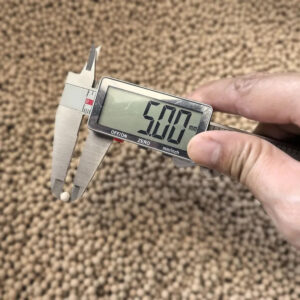
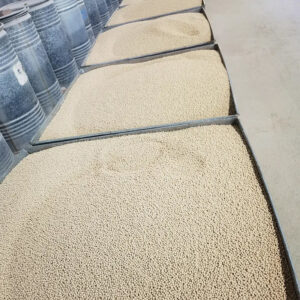
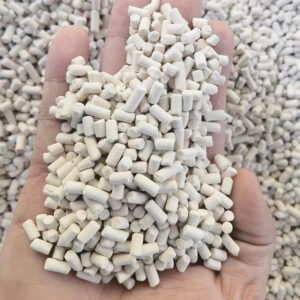
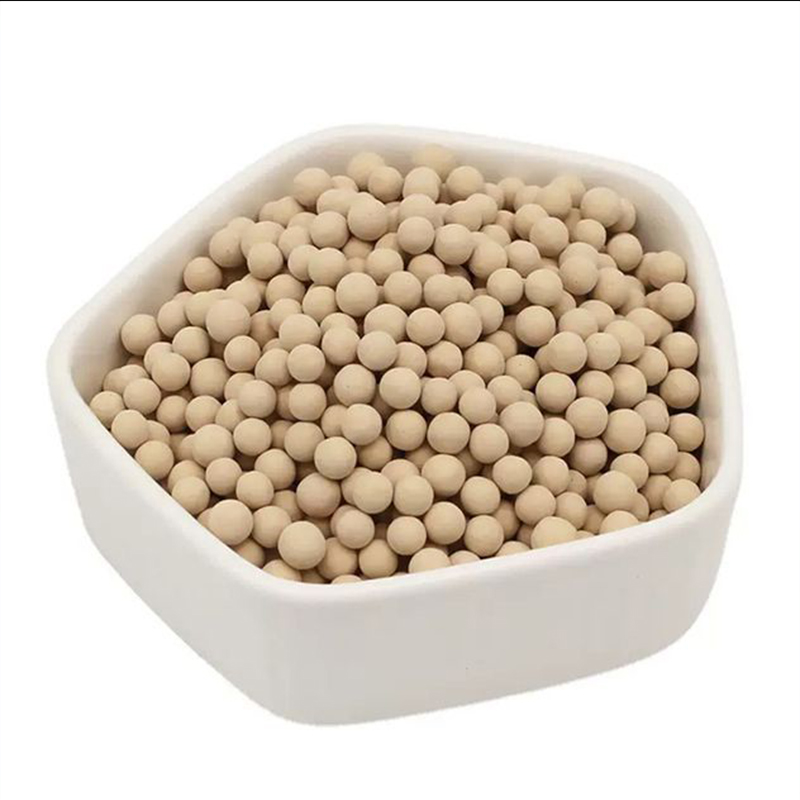
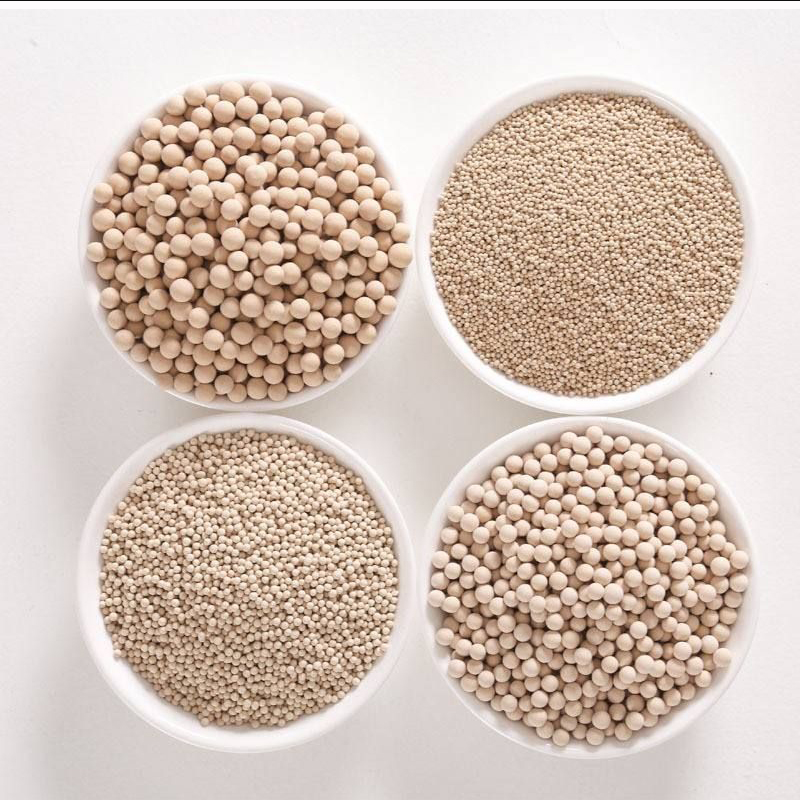
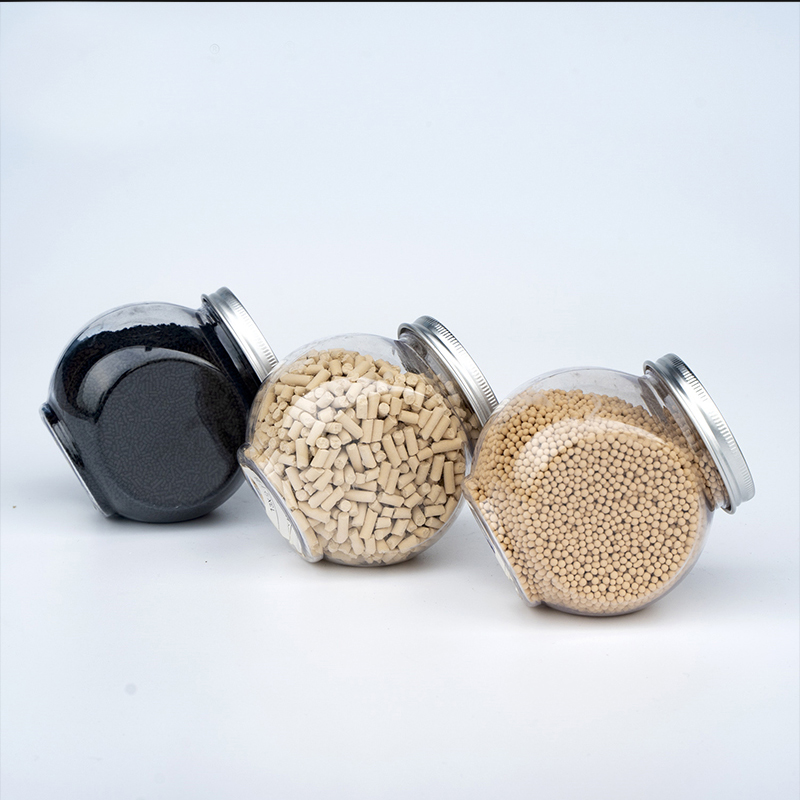
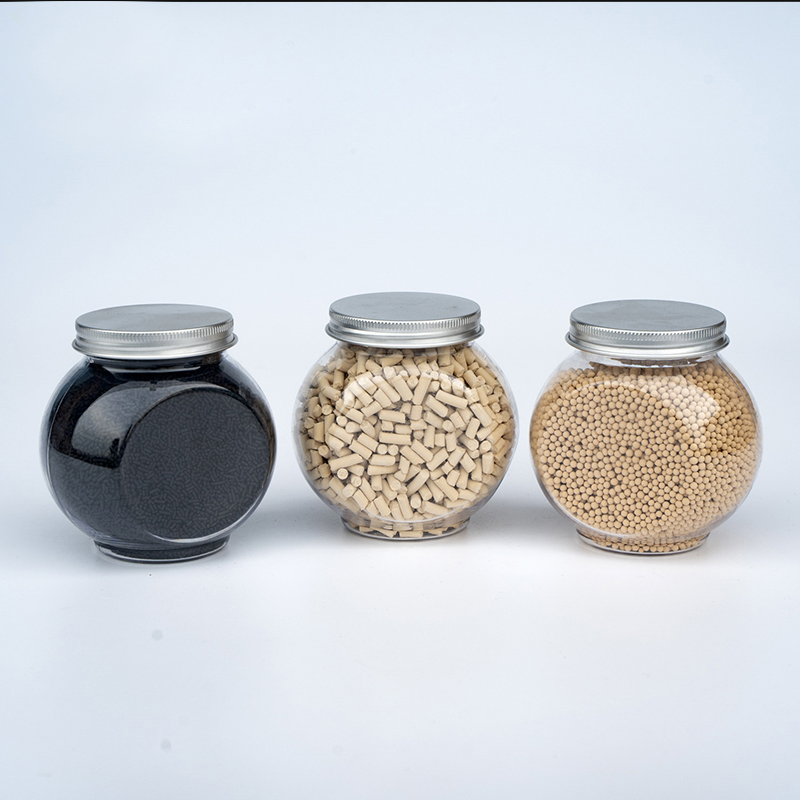
Physical properties: They are usually in the form of strips or spheres, with various specifications such as 1.5-1.7mm and 3.0-3.3mm in diameter.
Stability: Chemically stable, insoluble in water and organic solvents, but soluble in strong acids or strong bases and decomposes thereafter. It is hygroscopic and should be kept away from direct contact with water, acids, and alkalis.
Main applications: In natural gas processing, it is used for drying, desulfurization, and carbon dioxide removal; in the field of gas separation, it can be used for nitrogen-oxygen separation, nitrogen-hydrogen separation, etc.; in petroleum processing, it is used for petroleum dewaxing and separation of n-hydrogen; it can also be used for air purification to remove impurities such as moisture and carbon dioxide.
Regeneration and Storage: During regeneration, moisture in the gas can be removed by heating, or dehydration can be achieved by replacing organic matter with steam. Storage requires sealing in an environment with room temperature and humidity ≤90%, avoiding contact with water, acids, alkalis, and other substances.
| Model | 5A | |||
| Color | Light gray | |||
| Nominal pore diameter | 5 angstroms | |||
| Shape | Sphere | Pellet | ||
| Diameter (mm) | 1.7-2.5 | 3.0-5.0 | 1.6 | 3.2 |
| Size ratio up to grade (%) | ≥98 | ≥98 | ≥96 | ≥96 |
| Bulk density (g/ml) | ≥0.72 | ≥0.70 | ≥0.66 | ≥0.66 |
| Wear ratio (%) | ≤0.20 | ≤0.20 | ≤0.20 | ≤0.20 |
| Crushing strength (N) | ≥45/piece | ≥100/piece | ≥40/piece | ≥75/piece |
| Static H2O adsorption (%) | ≥22 | ≥22 | ≥22 | ≥22 |
| Water content (%) | ≤1.0 | ≤1.0 | ≤1.0 | ≤1.0 |
| Typical Chemical Formula | 0.7CaO . 0.3Na2O . Al2O3 . 2SiO2 . 4.5H2O | |||
| SiO2 : Al2O3 ≈2 | ||||
| Typical Application | a) The strong ionic forces of the divalent calcium ion makes it an excellent adsorbent to remove water, CO2, H2S from sour natural gas streams, while mini missing COS formation. Light mercaptans are also adsorbed. | |||
| b) Separation of normal- and iso paraffin’s. | ||||
| c) Production of high purity N2, O2, H2 and inert gases from mixed gas streams | ||||
| d) Static, (non-regenerative) dehydration of insulating glass units, whether air filled or gas-filled. | ||||
Natural gas processing:
Drying: Removes moisture from natural gas to prevent corrosion of pipelines and equipment.
Desulfurization and decarbonization: Improve the purity of natural gas to meet industrial and civil standards.
Gas separation:
Nitrogen-oxygen separation: producing high-purity nitrogen and oxygen in an air separation device.
Nitrogen-hydrogen separation: Used in processes such as ammonia synthesis to separate nitrogen and hydrogen.
Petrochemicals:
Petroleum dewaxing: Separating n-hydrocarbons from branched and cyclic hydrocarbons to improve oil quality.
Separation of normal and isoalkanes: improves the octane and cetane numbers of fuels such as gasoline and diesel.