
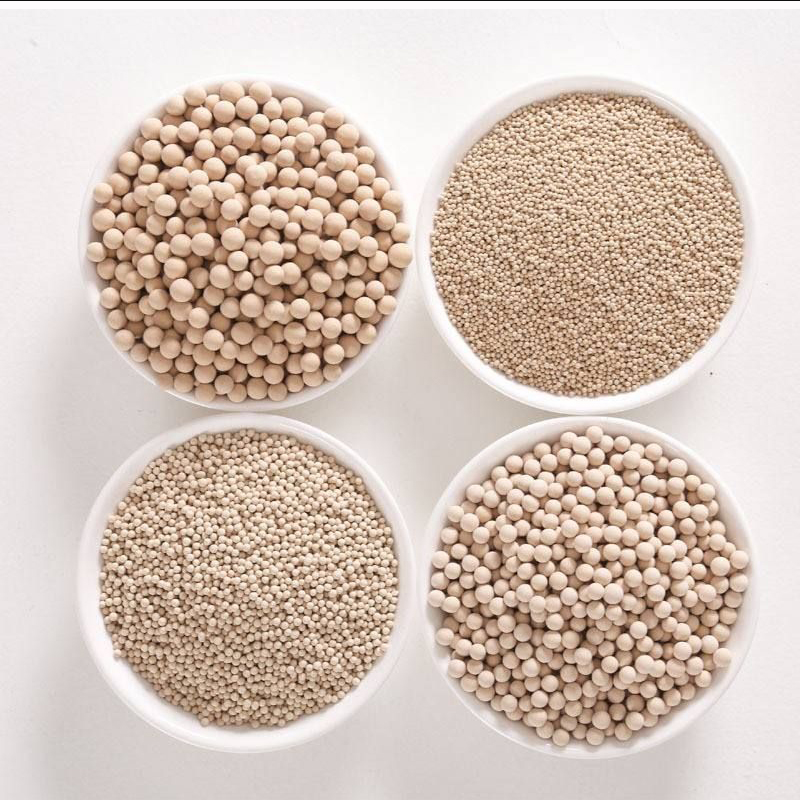
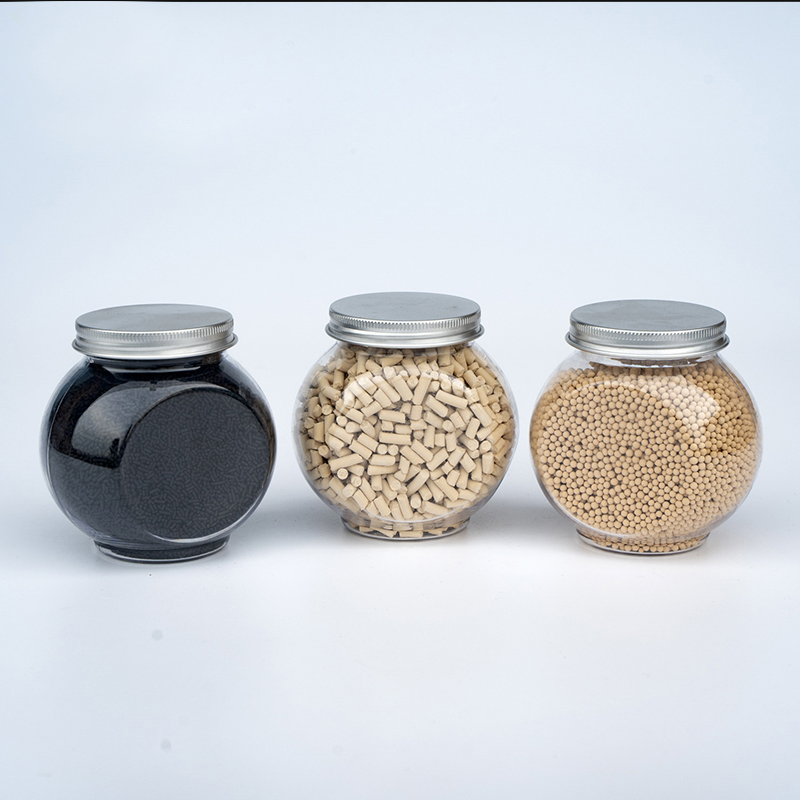

Pore size distribution: Molecular sieves have a very uniform pore size distribution, and the pore size varies depending on the model. This uniform pore size allows molecular sieves to selectively adsorb molecules based on their size and polarity.
Crystal structure: Molecular sieves have a cubic lattice structure, forming large cavities inside that can be occupied by cations and water molecules. These cavities and channels are interconnected, providing molecular sieves with an extremely high specific surface area.
Selective adsorption: Molecular sieves have the preferential adsorption capacity for molecules smaller than their pore size, and can selectively adsorb molecules based on molecular size, polarity, degree of unsaturation, etc.
High adsorption capacity: Molecular sieves have an extremely high specific surface area, which makes their adsorption capacity much greater than that of other adsorption materials.
Thermal stability: Molecular sieves have good thermal stability and can maintain structural stability under high temperature conditions, thus continuing to exert their adsorption function.
| Model | 4A | |||
| Color | Light gray | |||
| Nominal pore diameter | 4 angstroms | |||
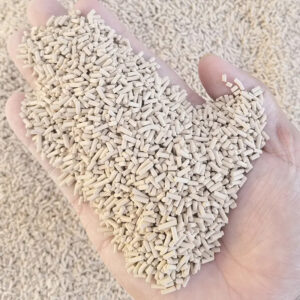
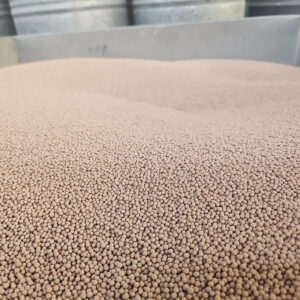
| Shape | Sphere | Pellet | ||
| Diameter (mm) | 1.7-2.5 | 3.0-5.0 | 1.6 | 3.2 |
| Size ratio up to grade (%) | ≥98 | ≥98 | ≥96 | ≥96 |
| Bulk density (g/ml) | ≥0.72 | ≥0.70 | ≥0.66 | ≥0.66 |
| Wear ratio (%) | ≤0.20 | ≤0.20 | ≤0.20 | ≤0.20 |
| Crushing strength (N) | ≥35/piece | ≥85/piece | ≥35/piece | ≥70/piece |
| Static H2O adsorption (%) | ≥22 | ≥22 | ≥22 | ≥22 |
| Static methanol adsorption(%) | ≥15 | ≥15 | ≥15 | ≥15 |
| Water content (%) | ≤1.0 | ≤1.0 | ≤1.0 | ≤1.0 |
| Typical Chemical Formula | Na2O . Al2O3 . 2SiO2 . 4.5 H2O
SiO2 : Al2O3 ≈2 |
|||
| Typical Application | a) Drying and removing of CO2 from natural gas, LPG, air, inert and atmospheric gases, etc.
b) Removal of hydrocarbons, ammonia and methanol from gas streams (ammonia syn gas treating) c) Special types are used in the air break units of buses, trucks and locomotives. d) Packed in small bags, it may be used simply as a packaging desiccant. |
|||
Drying, dehydration, and purification of gases and liquids:Molecular sieves can deeply dry and dehydrate various gases and liquids, such as air, natural gas, alkanes, and refrigerants, preventing pipeline corrosion and equipment damage.
Gas separation and purification: By utilizing the pore size and selective adsorption properties of molecular sieves, the separation and purification of gas mixtures can be achieved.
Catalytic cracking and petroleum processing:Molecular sieves play an important role as catalysts or catalyst supports in petroleum refining and processing.
In the environmental field:Molecular sieves can separate substances that have not been degraded after biological treatment in wastewater treatment, and remove heavy metal ions through ion exchange adsorption.
Molecular sieves are a class of crystalline aluminosilicates (or heteroatom-substituted aluminosilicates) with a uniform microporous structure. They are named for their ability to selectively adsorb substances according to molecular diameter, much like a sieve. They possess three core functions: adsorption, ion exchange, and catalysis, making them key materials in industrial separation, catalysis, and environmental protection. 4A molecular sieve is one of their most representative varieties.